

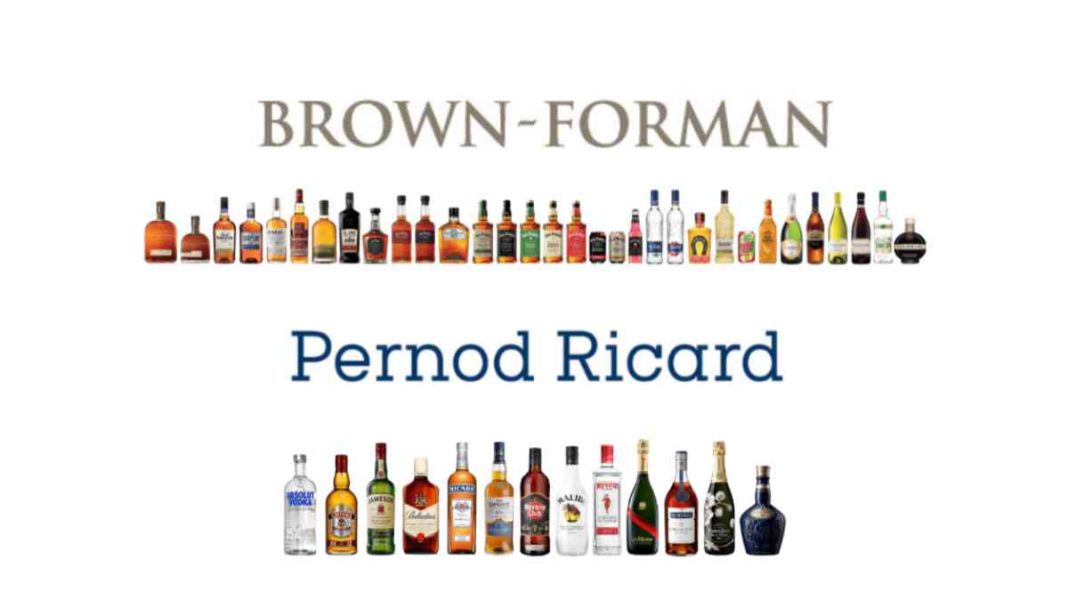


Shares of Pernod Ricard and Brown-Forman climbed sharply after both companies confirmed they are engaged in active discussions about a potential business combination that could reshape the global spirits industry. On March 26, 2026, the French drinks giant and the Kentucky-based owner of Jack Daniel’s issued simultaneous statements acknowledging ongoing talks following intense market speculation.
Pernod Ricard described the potential deal as “akin to a merger of equals,” highlighting the opportunity to combine Brown-Forman’s iconic American whiskey portfolio with its own powerful global distribution network and exposure to high-growth markets. The combination would create a spirits powerhouse with enhanced scale, a balanced geographic footprint, and significant operational synergies. Analysts estimate the merged entity could command a market value approaching $30 billion and annual volume nearing 200 million 9-liter cases, positioning it as the second-largest player behind Diageo.
Brown-Forman shares surged as much as 21 percent intraday on the news before settling with strong gains, reflecting investor optimism about a premium valuation for the Jack Daniel’s maker. Pernod Ricard stock also rose modestly after an initial dip, as investors weighed the strategic benefits against integration challenges and family control dynamics. The Brown family maintains significant voting rights in Brown-Forman, while the Ricard family holds a legacy stake in Pernod Ricard, adding complexity to any final agreement.
The talks come amid broader consolidation pressures in the spirits sector, where slowing demand in key categories and rising competition have pushed companies to seek scale through mergers. A successful union would pair Brown-Forman’s strengths in premium American whiskey, including Jack Daniel’s Tennessee Whiskey and Woodford Reserve, with Pernod Ricard’s diverse lineup featuring Jameson Irish Whiskey, Absolut Vodka, Chivas Regal, and Martell Cognac. The deal would strengthen presence in the United States while accelerating growth in emerging international markets.
Both companies stressed that discussions remain preliminary and there is no certainty a transaction will be reached. They declined further comment until an agreement is finalized or talks are terminated. Industry observers note that regulatory scrutiny, antitrust concerns, and family governance issues could influence the outcome, yet many view the potential partnership as strategically compelling.
If completed, the merger would deliver substantial cost savings through combined operations, supply chain efficiencies, and marketing synergies. It would also create a more resilient portfolio capable of navigating shifting consumer preferences toward premium and ready-to-drink products. For shareholders, the move promises value creation through greater scale and diversified revenue streams.
The confirmation of talks has energized the beverages sector, with analysts monitoring for further developments or competing interest. Recent reports suggest additional parties may be circling Brown-Forman, adding another layer of intrigue to the situation. For now, investors are pricing in the upside potential while awaiting clarity on deal structure and timeline.
This development underscores a transformative moment for the global spirits industry. A Pernod Ricard and Brown-Forman combination would not only unite two family-rooted powerhouses but also set a new benchmark for scale and innovation in premium beverages. As negotiations continue behind closed