

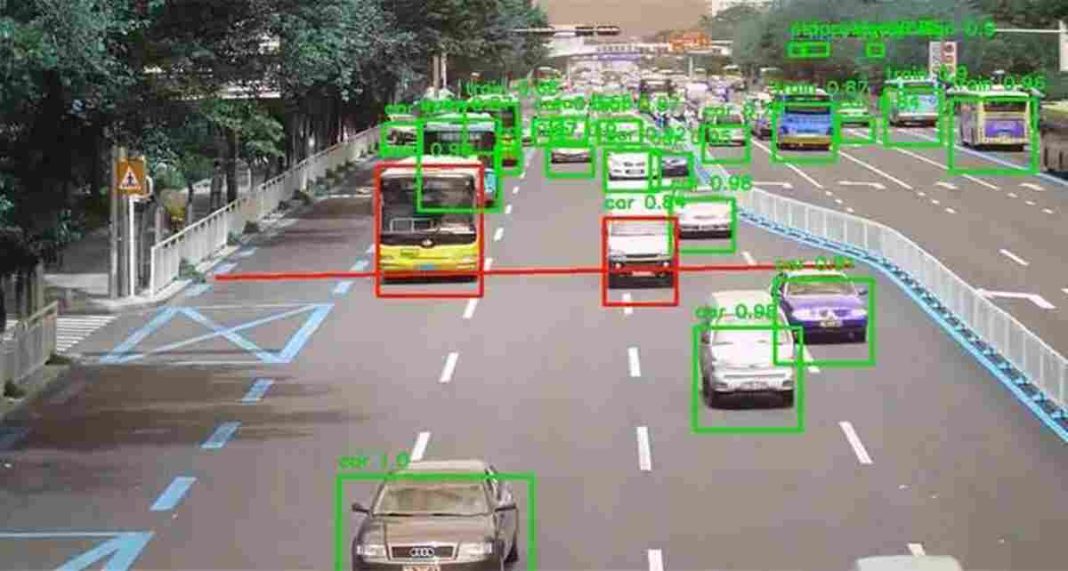


Cities around the world are undergoing a major mobility transformation as governments rapidly adopt AI-driven traffic prediction systems to combat rising congestion, reduce travel time, and improve overall road efficiency. With urban populations expanding and vehicle numbers climbing, traditional traffic management methods are no longer enough. Artificial intelligence has emerged as the most powerful tool to modernize city transportation networks.
AI traffic prediction systems work by analyzing real-time data collected from cameras, sensors, GPS devices, connected cars, and public transport networks. These systems process millions of data points within seconds, allowing city operators to forecast congestion patterns, optimize signal timings, and prevent traffic build-ups before they begin. This shift from reaction-based to prediction-based traffic control is reshaping how cities approach daily transportation challenges.
Several major cities, including Singapore, London, Dubai, Tokyo, Los Angeles, and Bengaluru, have already implemented advanced AI traffic solutions. Early reports highlight significant benefits such as reduced congestion during peak hours, smoother intersections, and faster emergency vehicle routing. By predicting bottlenecks minutes or even hours in advance, AI systems help traffic managers reroute vehicles, adjust lights, or alert commuters through connected apps.
One of the biggest advantages of AI traffic prediction is its adaptability. Unlike traditional systems that follow fixed timing patterns, AI continuously studies driver behavior, weather conditions, accidents, and public event schedules. This dynamic adjustment leads to more efficient flow on busy routes and less time wasted at unnecessary red lights. In some cities, AI optimization has reduced average travel times by up to 20%, marking one of the most effective improvements in recent decades.
Environmental benefits are also a key part of this transformation. Smoother traffic means fewer vehicles idling at intersections, contributing to lower emissions and improved air quality. Several sustainability-focused cities now consider AI traffic systems essential to meeting future climate goals.
Automobile manufacturers are also integrating AI compatibility into newer vehicles. Connected cars, smart dashboards, and real-time navigation tools communicate directly with traffic control systems, creating an ecosystem where both infrastructure and vehicles share data. This collaboration helps drivers receive accurate updates on congestion, alternate routes, and unexpected slowdowns.
Safety is another important factor. AI systems can detect unusual activity, sudden stops, or potential collisions faster than manual monitoring. Some cities are pairing AI traffic prediction with automated incident response systems, reducing emergency response times and improving overall road safety.
Challenges still exist, particularly around data privacy, infrastructure costs, and the need for skilled operators. However, governments worldwide are working with technology partners to ensure that AI deployment remains secure, transparent, and beneficial for citizens.
The rise of AI-driven traffic prediction marks a new era of intelligent urban mobility. As more cities adopt these systems, the future of transportation will increasingly rely on real-time analytics, automation, and smart infrastructure. With global adoption accelerating, AI is set to play a central role in building cleaner, safer, and more efficient cities for the next generation.