

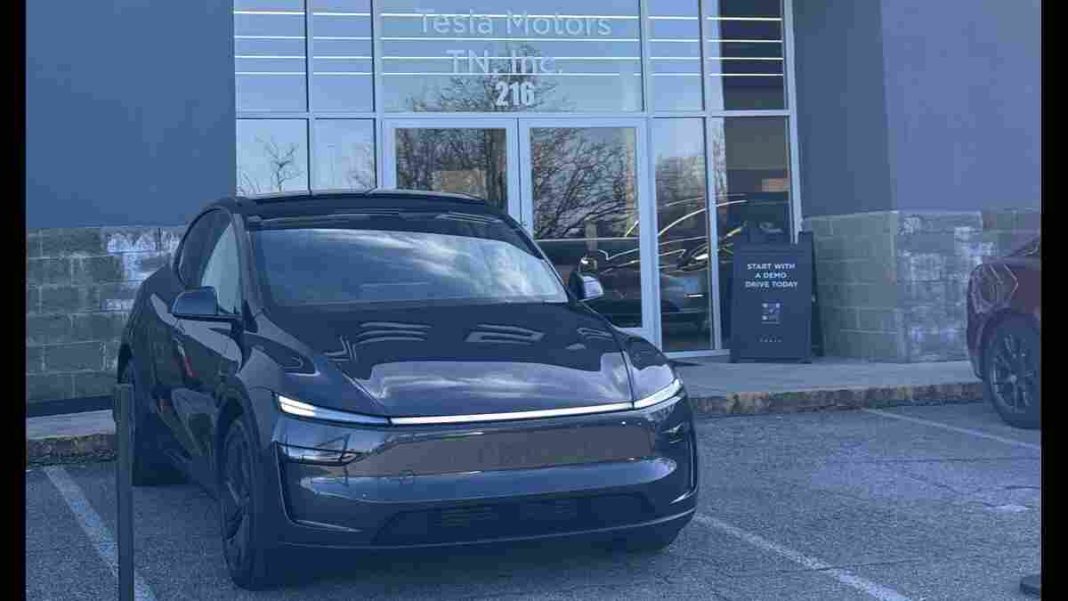

The global automobile industry is closely watching Tesla after the electric vehicle giant reported a noticeable decline in vehicle deliveries, a development that has sent ripples across the auto sector. Long seen as the pace-setter for electric mobility, Tesla’s slowdown is being interpreted as a sign that the EV market is entering a more mature and competitive phase, where growth is no longer guaranteed and consumer demand is becoming more selective.
Tesla’s delivery numbers fell short of market expectations, raising questions about the sustainability of the rapid expansion that defined the company’s rise over the past decade. Analysts point to a combination of factors contributing to the decline, including reduced government incentives in key markets, intensifying competition, and broader economic pressures affecting consumer spending. For an industry that has relied heavily on Tesla’s momentum to signal the health of the EV transition, the news has prompted a reassessment of short-term growth forecasts.
One of the most significant challenges facing Tesla is the gradual rollback of EV subsidies in major markets such as the United States and parts of Europe. As tax credits and incentives shrink or become more restrictive, price-sensitive buyers are reconsidering purchase decisions. While Tesla has responded with aggressive price cuts on popular models like the Model 3 and Model Y, these moves have also squeezed margins, raising concerns among investors about long-term profitability.
Competition has also reached unprecedented levels. Traditional automakers and new EV startups alike are flooding the market with alternatives across multiple price segments. Chinese manufacturers, in particular, have emerged as formidable rivals, offering feature-rich electric vehicles at competitive prices. This has forced Tesla to defend its market share in regions where it once faced little resistance, shifting the battle from innovation-led growth to pricing and differentiation.
Beyond competition, macroeconomic factors are playing a role. Higher interest rates have increased the cost of auto loans, making big-ticket purchases like electric vehicles less attractive for some consumers. Inflationary pressures and economic uncertainty in several regions have further dampened demand. As a result, even environmentally conscious buyers are delaying purchases or opting for hybrid models instead of fully electric options.
The impact of Tesla’s delivery decline extends beyond the company itself. Auto suppliers, battery manufacturers, and charging infrastructure providers are all feeling the effects of slower EV adoption. Investors are reassessing valuations across the sector, leading to increased volatility in auto and clean energy stocks. The narrative has shifted from rapid disruption to cautious consolidation, with industry players focusing on efficiency and sustainability rather than sheer scale.
Despite the short-term challenges, Tesla continues to emphasize its long-term vision. The company remains committed to expanding its manufacturing footprint, advancing battery technology, and developing next-generation vehicles. Executives have highlighted ongoing investments in artificial intelligence, autonomous driving, and energy storage as pillars of future growth. However, translating these ambitions into renewed delivery growth will depend on how effectively Tesla adapts to changing market dynamics.
For policymakers, the situation serves as a reality check. Slower Tesla deliveries underscore the importance of consistent and predictable EV policies to support adoption. Sudden changes in incentive structures can disrupt consumer confidence and stall momentum, even for market leaders. Governments aiming to accelerate the transition to electric mobility may need to reconsider how incentives are structured to ensure long-term stability.
Looking ahead, the auto sector is bracing for a period of adjustment. Tesla’s delivery dip does not signal the end of the EV revolution, but it does highlight that the industry is entering a more complex phase. Growth is becoming harder won, competition is fiercer, and consumer expectations are evolving. For Tesla and the broader auto market, success in this next chapter will depend less on hype and more on delivering value, affordability, and innovation in a rapidly changing global landscape.

