

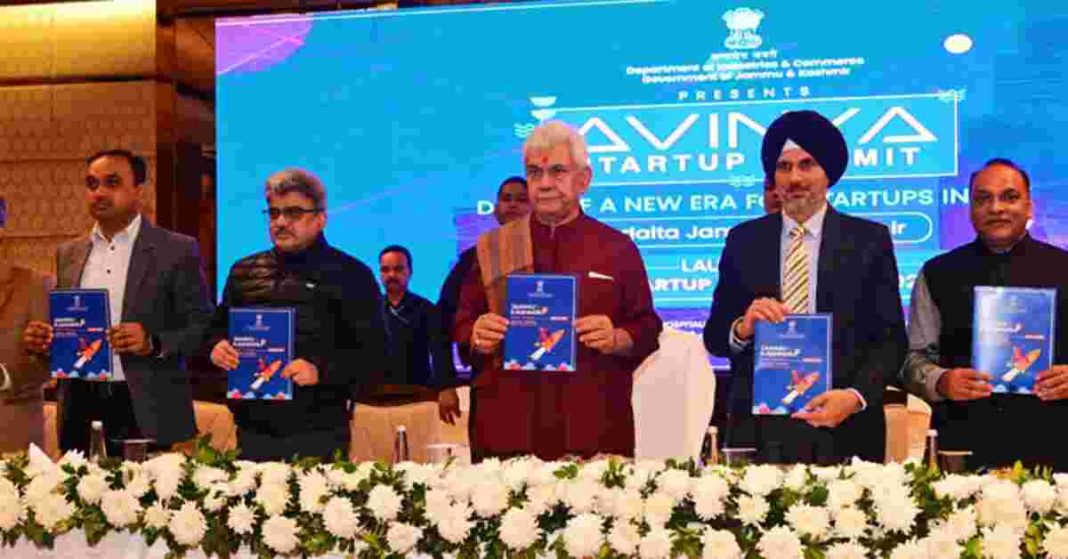


The entrepreneurial landscape in Jammu & Kashmir (J&K) is entering a vibrant new era following the launch of the New Jammu & Kashmir Start-up Policy (2024–27) — a bold initiative aimed at creating 2,000 startups in the Union Territory by 2027. This policy represents one of India’s most ambitious regional innovation pushes and is rapidly gaining attention from founders, investors and innovation ecosystems nationwide.
A Landmark Startup Strategy
Launched by the Lieutenant Governor, the J&K startup policy is designed to transform a historically legacy economy into a dynamic, technology-driven entrepreneurial hub. At its core, the policy is not just a plan on paper, but a practical roadmap with multifaceted support measures: patent assistance, mentorship funding, startup registration support, and targeted aid for women entrepreneurs and student-led ventures.
A standout feature of the policy is the establishment of a Venture Capital Fund worth ₹250 crore, with an initial government infusion of ₹25 crore. This capital pool intends to provide early-stage backing for promising ventures — a critical lifeline for startups navigating their first phases of growth.
Turning Regional Potential into Reality
While J&K may not yet rival global tech hubs like Silicon Valley or Bengaluru, the policy is a catalyst for change in a region once seen as peripheral to India’s innovation map. Experts note that building 2,000 startups in about three years represents a significant leap towards structural economic transformation.
Local authorities anticipate that the policy will not only attract domestic entrepreneurs but also invite investments from venture funds and angel investors across the country. By reducing bureaucratic hurdles and offering practical incentives, the region hopes to compete for talent and capital alongside major Indian startup clusters.
Beyond Borders: Global Startup Trends
This push in J&K aligns with broader global startup ecosystem dynamics. Around the world, governments and cities are recalibrating innovation policies to stay competitive in a fast-evolving landscape. For example:
- South Korea announced an ₩11.5 trillion national startup and promotion fund to scale AI innovation, exports and SME growth — a clear signal that mature economies are turning policy finance into strategic infrastructure to compete globally.
- Tokyo’s SusHi Tech 2026 innovation conference is actively recruiting startups and partners, positioning the city as a policy-led hub for sustainable urban tech ventures.
- India’s Union Budget 2026 reinforced support for startups with incentives like a tax holiday for cloud companies and increased funding for AI research — measures that feed directly into the growing demand for technology-driven entrepreneurial solutions.
These developments indicate a global policy trend: governments are no longer passive supporters of entrepreneurship — they are active architects of innovation ecosystems. Whether through capital, regulatory reform, or international events, the world is investing in startups as engines of economic resilience and future growth.
Local Events Fuel Momentum
On the ground, startup activity in India continues to explode. For instance, the upcoming IIT Madras E-Summit 2026 will bring together 10,000 students and more than 500 startups alongside 100 investors — a testament to the country’s deepening innovation momentum.
Similarly, initiatives like the Kerala Startup Mission’s call for social innovation ambassadors are expanding ecosystem participation into rural and social enterprise segments, ensuring that startup growth isn’t confined to urban tech corridors.
What This Means for the Future
The J&K startup policy is more than an administrative decision — it is a statement of intent. By creating a supportive environment, nurturing talent, and fostering investment flows, the policy could redefine the entrepreneurial identity of the region. As global competition and innovation trends accelerate, such regional initiatives may well become models for inclusive, impact-driven startup ecosystems worldwide.
If the policy delivers on its promise, J&K could soon be home to a new generation of startups that not only thrive locally but also compete on the global stage.