

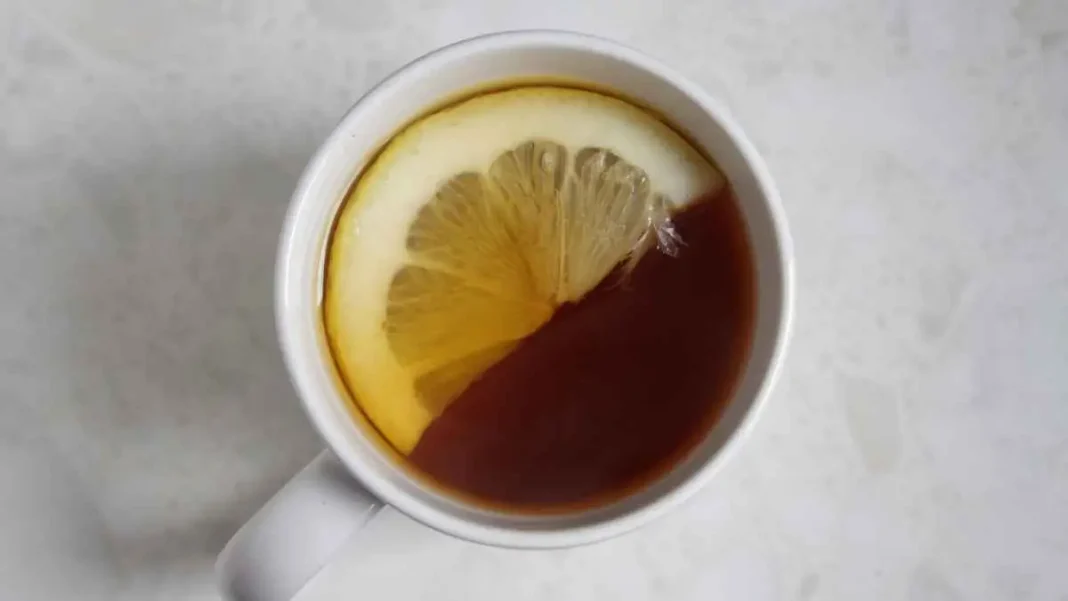


For many people it’s a morning ritual or after-lunch treat to sip hot beverage, which gives a cozy warmth and often feels like the heat itself is adding to the pleasure. Surprisingly, studies show that drinking hot liquid might cause a long term effect of cancer of the esophagus.
Hot drinks, generally those exceeding 65 degrees Celsius (~149 degrees Fahrenheit) are considered “probably carcinogenic to humans” by the International Agency for Research on Cancer (IARC), the cancer research arm of the World Health Organization, since their health risks were identified through studies in areas where hot tea and mate are popular. The temperature classification, not the nature of beverages, like tea or coffee as, was the concern at stake. This means that hot water or beverages may also be a concern even if they don’t contain harmful chemicals.
Later, a reevaluation of coffee, previously raised concerns about coffee, showed that coffee belongs to the category “cannot decide” and because of this its effects arent certain. The risk in a situation like this comes from the temperature that causes thermal burn. The repeated exposure of the esophagal lining to scalding hot liquids may cause persistent inflammation and damage of the epithelia; over decades, such injury is seen to increase the possibility of acquiring esophageal squamous-cell carcinoma, the type of cancer of the esophagus most prevalent worldwide. It is adenocarcinoma, more common in countries of the West, with greater connection to reflux and obesity, that has not revealed any relation through hotness.
The evidence of an association between cancer and the consumption of hot beverages came out due to studies carried out in regions where consumption of hot beverages is part of the culture.
A freshly boiled kettle produces water just under 100 C. A cup of tea or coffee once poured, tends to be at between 85-95 C, which is way above the 65 C figure highlighted by researchers. Usually, one needs to leave the beverage for a few minutes, stir it, or add some milk before the temperature goes down to the point where it’s easy to drink, which has been given frequently as the range 55-60 C. Simple lifestyle changes which prevent thermic burn are:
Because of this, tea and coffee are not dangerous but rather, it is the temperature at which these beverages are taken that may be of concern. The additional risk for the majority is minor and is easy to reduce. It is Yes a very little modification to delay drinking until your cup has remained for a couple of minutes before. It makes the enjoyment of everyday life in concordance with what epidemiology at present indicates is a wise move.