

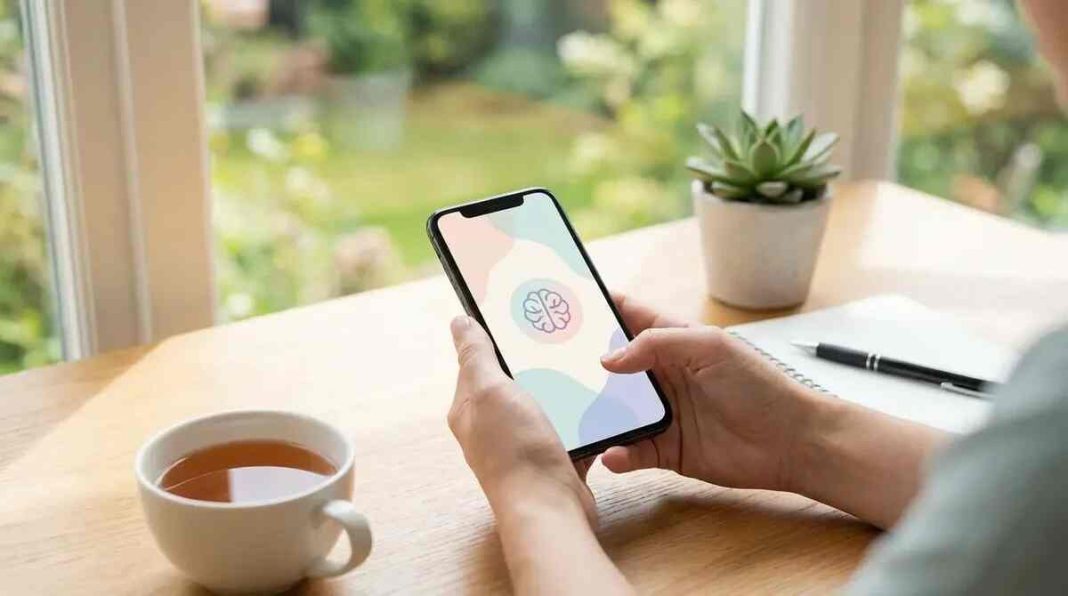


Mental health apps are rapidly becoming a central part of everyday life as millions of people across the globe turn to digital platforms for emotional support, stress management, and therapy. What was once considered a niche segment of the health tech industry has now evolved into a mainstream solution, driven by growing awareness of mental well-being and the increasing accessibility of smartphones.
In recent years, the demand for mental health services has surged significantly. Factors such as fast-paced lifestyles, work pressure, social isolation, and global uncertainties have contributed to rising stress and anxiety levels. Traditional therapy, while effective, often comes with barriers including cost, availability, and social stigma. Mental health apps are bridging this gap by offering affordable, accessible, and private support at any time.
One of the most transformative aspects of these apps is their ability to provide immediate assistance. Users can access guided meditation sessions, cognitive behavioral therapy exercises, mood tracking tools, and even AI-powered chat support within seconds. This convenience allows individuals to manage their mental health proactively rather than waiting for scheduled appointments.
Artificial intelligence is playing a crucial role in enhancing the effectiveness of these platforms. Many apps now use AI to personalize user experiences, offering tailored recommendations based on behavior, mood patterns, and usage history. Chatbots designed for emotional support are becoming increasingly sophisticated, capable of engaging in meaningful conversations and providing coping strategies in real time.
The global appeal of mental health apps is also driven by their adaptability. They cater to a wide range of users, from students dealing with academic pressure to professionals navigating workplace stress and individuals seeking mindfulness and self-improvement. This versatility has made them popular across different age groups and cultural backgrounds.
Another key factor behind their growth is the shift toward preventive healthcare. People are becoming more conscious of maintaining mental well-being before issues escalate into serious conditions. Apps that promote daily habits such as meditation, journaling, and breathing exercises are helping users build resilience and emotional stability over time.
Corporate adoption is further accelerating this trend. Many organizations are integrating mental health apps into employee wellness programs, recognizing the link between mental well-being and productivity. By providing access to digital therapy tools, companies are not only supporting their workforce but also reducing burnout and improving overall performance.
However, the rapid rise of mental health apps also brings challenges. Concerns around data privacy and security remain a major issue, as these platforms often handle sensitive personal information. Ensuring that user data is protected and used ethically is critical for maintaining trust.
Additionally, experts caution that while these apps are highly beneficial, they are not a complete replacement for professional therapy, especially in cases of severe mental health conditions. Instead, they should be viewed as complementary tools that can support and enhance traditional treatment methods.
Despite these concerns, innovation in this space continues to accelerate. New features such as voice-based therapy, virtual reality relaxation environments, and real-time emotional analytics are pushing the boundaries of what digital mental health solutions can offer. As technology evolves, these apps are expected to become even more intuitive and effective.
The growing acceptance of mental health apps reflects a broader cultural shift toward prioritizing emotional well-being. Conversations around mental health are becoming more open, and digital tools are playing a significant role in making support more accessible than ever before.
As the world embraces this digital transformation in healthcare, mental health apps are not just a trend but a long-term solution shaping the future of well-being. Their ability to combine technology with empathy is redefining how people understand, manage, and improve their mental health in a connected world.