

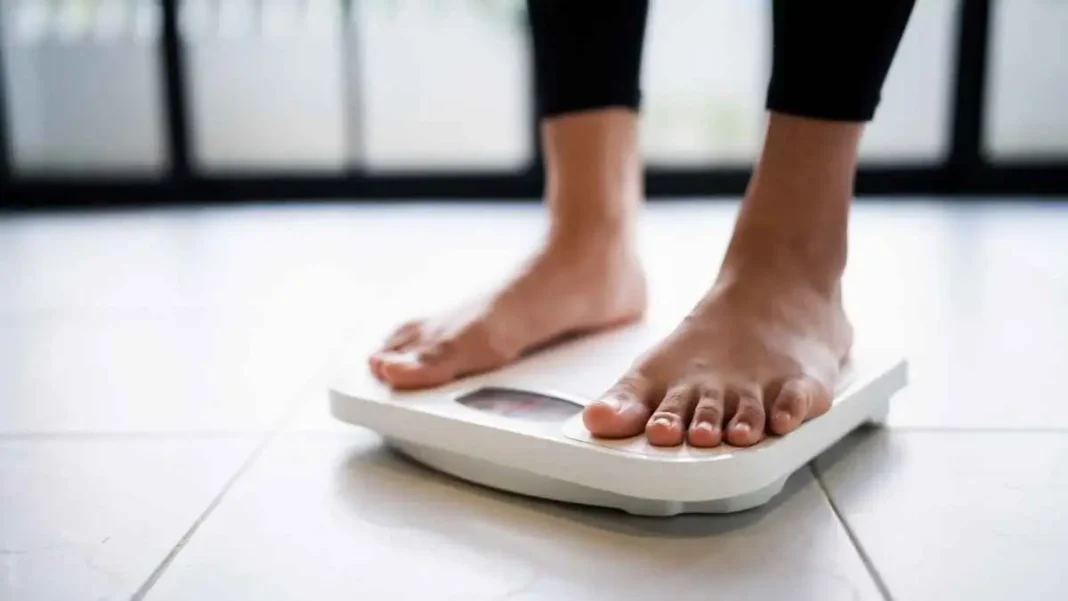


Body weight has been viewed as a moral judgement rather than a clinical issue for decades. Patients presenting with high blood pressure, increasing glucose concentrations and increasing waist measurements will often be told a lecture rather than receiving a diagnosis. This is known as weight stigma. However, with the rising rates of cardiometabolic diseases, we must ask if our attitudes towards body weight are causing more harm than good. The Burden Behind the Bias
Weight stigma is defined as the discrimination and devaluing of individuals due to their body size. This can occur within consultations with symptoms being dismissed, receiving unwanted diet advice when visiting for ear infections, inadequate sized examination tables and assuming all patients symptoms are due to their body weight. Surveys have shown weight stigma occurs in both the public and health professionals such as doctors, nurses and dieticians.
Stigma Is Not Just Rude But Can Be Pathogenic
The key thing to note from the research over the past few years is that weight stigma is a risk factor for cardiometabolic disease independent of body weight. Chronic weight stigma causes activation of the stress axis resulting in increased cortisol and inflammatory markers. This can cause emotional eating behaviour, social withdrawal and avoidance of physical activity due to feeling judged. Research has shown those who have experienced weight discrimination have higher blood pressures, poor glycaemic control and increased allostatic load.
The patients who feel ashamed are in fact encouraging poor outcomes due to biological factors. Blaming patients is not a treatment.
Weight stigma can also cause delays to care. Patients who feel they will be judged will avoid attending for screening, not attend follow up appointments and become disengaged with their health care. This leads to delayed diagnosis of hypertension/prediabetes meaning interventions are more costly and less effective. Weight bias can turn into late stage disease.
The Diagnostic Distortion
Weight stigma can cause diagnostic errors. Body weight can be used as a bias towards missing diagnoses such as thyroid disease, sleep apnoea, polycystic ovary and even cancer. Alternatively patients with lower body weights who have high amounts of visceral fat, insulin resistance and fatty liver may not be screened due to their body size.
Body mass index is not an accurate tool to use within the profession. It does not identify fat vs muscle and gives no information on fat distribution. Recently there has been an expert consensus to move away from using BMI to define obesity. Instead health impacts related to adiposity will be identified using waist measurements, body composition and metabolic markers. We should be looking to use accurate tools to determine risk.
Obesity As A Disease
Major medical organisations now recognise obesity as a chronic relapsing multifactorial disease. There are many factors involved including our genetic makeup, neurohormonal regulation, environmental factors, sleep, medication and socio-economic status. Our bodies fight to maintain their weight with strong metabolic compensation after weight loss. To refer to obesity as a lack of will power ignores the decades of physiology involved.
With the introduction of incretin based medications (GLP-1 receptor agonists and dual agonists) we can see significant weight loss and cardiovascular and renal benefits. This shows It Is a biological issue however weight stigma can still occur. People will say taking medication is an easy option. Treating a disease with effective treatment is not a lack of morality. However, there is an issue with equitable access to treatment as these new medications can be expensive.
How Would This Change?
- There are many ways we can change our practice:
- Use person first language – person with obesity
- Promote healthy behaviours – helping with sleep, healthy eating, physical activity and medication adherence
- Use motivational interviewing to help patients – focus on what the patient wants to achieve
- Ensure equipment, gowns and seating are the correct sizes
- Educate on weight bias within medical and nursing training
- Perform a full assessment looking at metabolic markers rather than appearance.
- We do not need to be dishonest with patients. We can talk about weight in a consensual, curious and caring manner.
Trust
To provide care for patients with cardiometabolic diseases we need to build a long-term relationship. Weight stigma can make patients feel they cannot trust you. They will feel valued and return if they feel respected.
If our aim with modern medicine is to reduce heart attacks, strokes, amputations and kidney failure then removing weight stigma is essential. The most powerful intervention we could give may simply be treating all patients with dignity regardless of their body size.